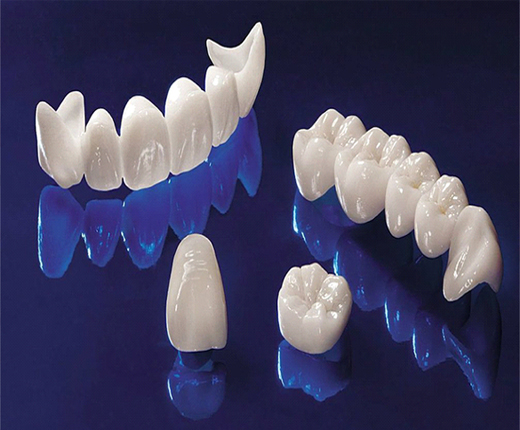
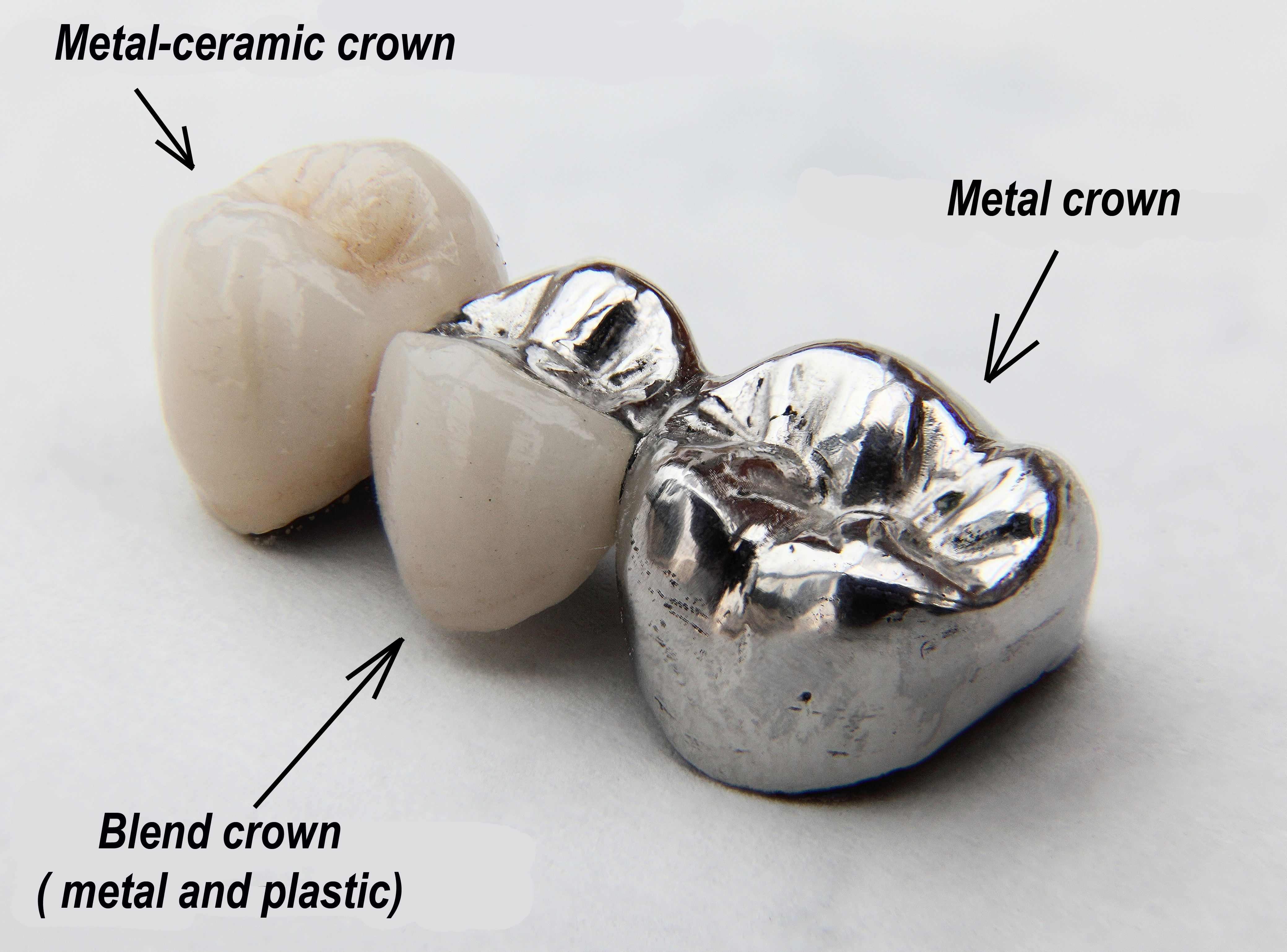
We offer a wide variety of materials for crowns and bridges, from all-metal, metal-ceramic to all-porcelain.
What is a ceramic crown bridge?
Dental bridges are used to replace missing teeth and gum tissues. They are attached to neighbouring teeth and cemented into place. The underlying substructure can be made of a ceramic material or metal , but the cosmetic restorations are typically of porcelain.
Crowns are custom made and look just like you natural teeth.
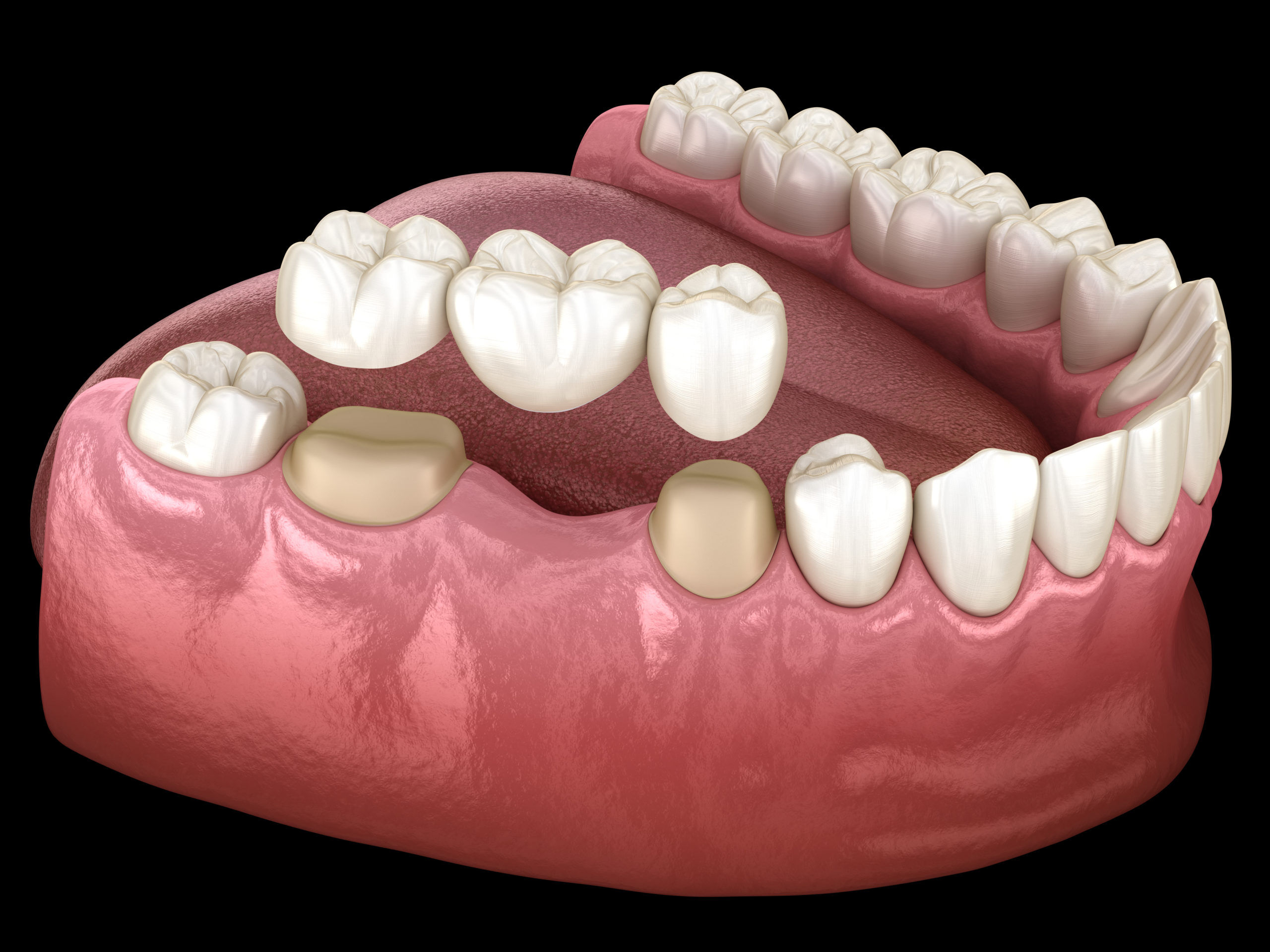
A bridge is a series of 3 or more crowns, attached to one another, and used to replace one or more missing teeth.
It is considered permanent and cannot be removed.
Dental bridges are an excellent option for replacing missing teeth and restoring your smile. While their lifespan can vary depending on several factors, they can last anywhere from 5 to 15 years or longer with proper care and maintenance.
How do Crowns Work?
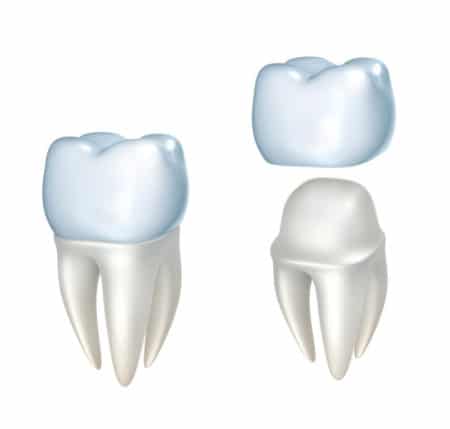
A crown is used to entirely cover or "cap" a damaged tooth. Besides strengthening a damaged tooth, a crown can be used to improve its appearance, shape or alignment. A crown can also be placed on top of an implant to provide a tooth-like shape and structure for function. Porcelain or ceramic crowns can be matched to the color of your natural teeth. Other materials include gold and metal alloys, acrylic and ceramic. These alloys are generally stronger than porcelain and may be recommended for back teeth. Porcelain bonded to a metal shell is often used because it is both strong and attractive.
Your dentist may recommend a crown to:
Replace a large filling when there isn't enough tooth remaining
Protect a weak tooth from fracturing
Restore a fractured tooth
Attach a bridge
Cover a dental implant
Cover a discolored or poorly shaped tooth
Cover a tooth that has had root canal treatment
How do Bridges Work?
A bridge may be recommended if you're missing one or more teeth. Gaps left by missing teeth eventually cause the remaining teeth to rotate or shift into the empty spaces, resulting in a bad bite. The imbalance caused by missing teeth can also lead to gum disease and temporomandibular joint (TMJ) disorders
Bridges are commonly used to replace one or more missing teeth. They span the space where the teeth are missing. Bridges are cemented to the natural teeth or implants surrounding the empty space. These teeth, called abutments, serve as anchors for the bridge. A replacement tooth, called a pontic, is attached to the crowns that cover the abutments. As with crowns, you have a choice of materials for bridges. Your dentist can help you decide which to use, based on the location of the missing tooth (or teeth), its function, aesthetic considerations and cost. Porcelain or ceramic bridges can be matched to the color of your natural teeth.